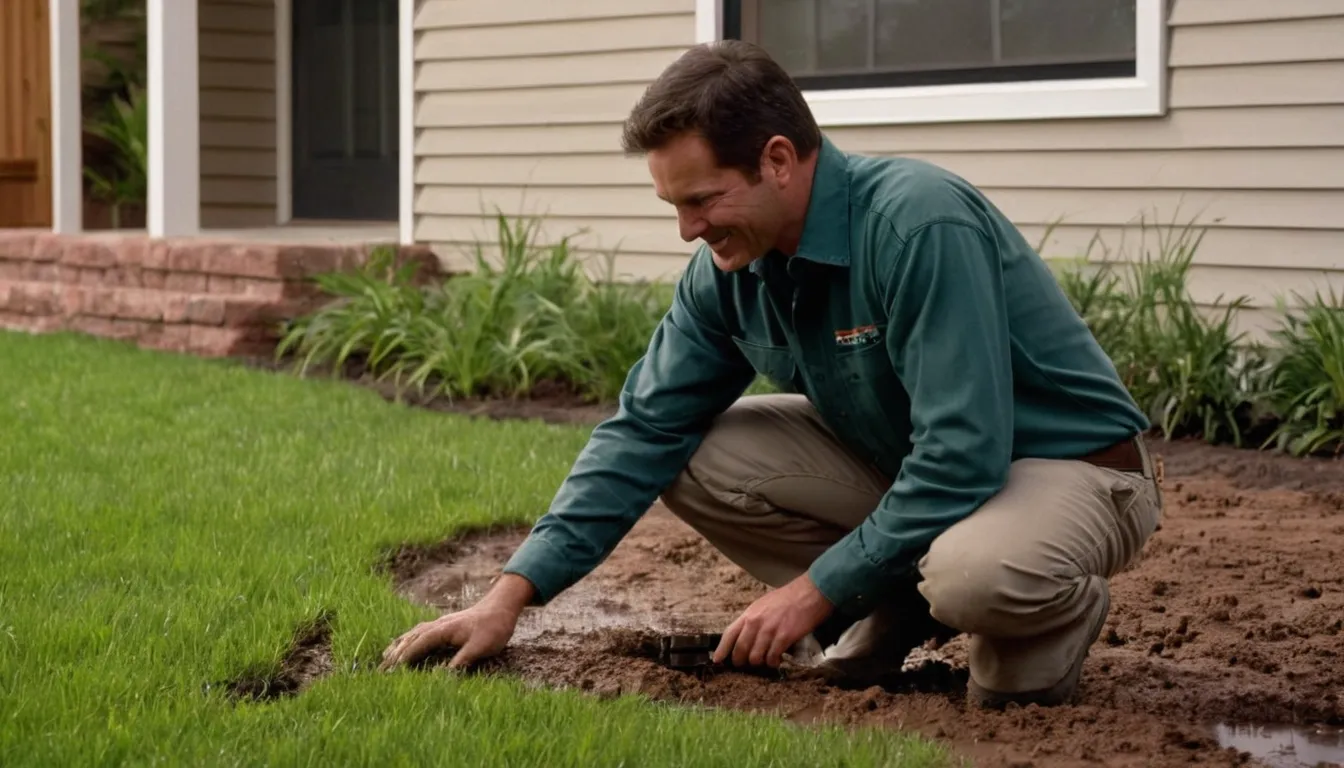
Say you tap a baseboard and it sounds hollow. Or you find tiny wings on a windowsill after a warm, wet evening. Those small clues matter. Termites work out of sight, and the damage can build for months before anyone notices.
Exactconsidered Pest Control is a referral service. We do not treat homes. We help you sort out what you can check on your own, then connect you with an independent provider in our network who can inspect the home, find the activity, and explain the treatment options in plain words, with a written quote.
If you live in Lancaster or anywhere in the Lancaster area, you can request an estimate and ask a local provider to take a look.
Think You Have Termites? Start Here
Say you press a screwdriver against a window frame and it sinks in like wet cardboard. Or a puff of winged bugs drifts out near the porch light. Pause. Look, then act.
Snap a photo of what you see. Write down the date and the spot. Do not spray or scrape the area yet, because a provider can learn a lot from untouched evidence. Request a callback to check provider availability.
What You Can Safely Do Yourself
Some jobs are fine for a homeowner. They cost little and cut the risk.
Small Jobs That Help
- Move firewood, scrap lumber and cardboard away from the house.
- Pull mulch back a few inches from the foundation and siding.
- Fix drips from gutters, hoses and outdoor faucets.
- Keep soil from piling up against siding or brick.
- Tap wood trim with a screwdriver handle and listen for a hollow sound.
Keep Notes and Photos
A short log helps a lot. Write down where you saw wings, tubes or soft wood. Add dates. A provider can use this to focus the inspection.
Where DIY Stops
Why Store Sprays Fall Short
Say you spray the bugs you can see. They die, and you feel better. But the colony lives in soil or inside walls, and it keeps going. Sprays can also push termites to nearby wood, which spreads the problem.
Tools and Safety Matter
A real treatment can mean trenching soil, drilling through a slab, or placing monitored bait stations. These jobs need special equipment and label-required care near wells, pipes and slabs. Crawl spaces and hot attics add risk. This is provider work.
Know the Early Warning Signs
Small sign, small fix. Here is what to look for.
Mud Tubes
Thin dirt tracks on a garage wall, foundation or pier. Subterranean termites build them to travel safely.
Swarmers and Shed Wings
Winged termites often appear after warm rain. Piles of tiny, matching wings near doors and windows are a strong hint.
Hollow or Soft Wood
Baseboards, door frames and floor edges may sound papery when tapped. Wood may look fine outside and be thin inside.
Bubbling Paint and Sticking Doors
Say a door that closed fine last spring now sticks, and paint near it looks wavy. Moisture and tunneling can both cause this.
Tiny Pellets
Small, six-sided pellets that look like sand or pepper can point to drywood termites.
Why Termites Need Prompt Attention
Termites chew wood all day and all night, hidden behind walls and floors. A small find today can become a large repair later. Hot, humid summers and storm season keep soil damp, and that suits them well.
Some policies may cover sudden damage, but termite damage is often excluded, so check your policy. Providers can often help document damage for a claim.
Types of Termites
Subterranean Termites
These live in soil and climb up through cracks, joints and cracks in slabs. Slab-on-grade ranch homes give them many entry points along the edges.
Drywood Termites
These live inside the wood itself, including attic framing and furniture. They need no soil contact.
Why Type Matters
The type decides the treatment. A provider identifies it first. Older pier-and-beam houses may also need a look under the floor.
How Termite Treatment Works
Inspection First
A provider checks the foundation, crawl space, attic and wood trim. They look for tubes, damage and moisture.
Liquid Barrier
For soil termites, the provider treats the soil around and under the home to form a protective zone.
Bait Stations
Stations placed around the yard are checked over time. Termites carry the bait back to the colony.
Spot Treatment or Fumigation
Small drywood spots may get targeted treatment. Larger drywood problems may need whole-structure fumigation. The provider explains which one fits.
Termite Inspections for Home Sales
Say you are buying or selling a house. A lender or buyer may ask for a wood-destroying insect report. A provider writes one after a visit. Ask early, because a finding can change the timeline.
Choosing a Termite Provider
Get the plan in writing. Ask which termite type was found and what method is proposed. Ask about the product used, how long the work is expected to last, and what follow-up visits are included. Compare written quotes before you decide.
After Treatment
Keep the yard dry and clear. Watch for new tubes or wings. Schedule follow-up checks as the provider advises. Do not disturb treated soil.
Ready When You Are
If you see any sign, share what you found and ask a provider to take a look. Request a callback to talk it through.
What's Included
Full Inspection
A provider checks the foundation, crawl space, attic and trim, then explains what was found.
Type Identification
Soil and drywood termites need different plans, so the provider confirms which kind you have.
Treatment Plan
Options like liquid barriers, bait stations or spot work are explained in writing.
Follow-Up Checks
Many providers offer later visits to confirm the treatment is working as planned.
Typical Termite Treatment Costs
Prices vary by home size, termite type, soil and access. These are typical U.S. ranges only. Always ask providers for a written quote before work begins.
| Service | Typical range | Notes |
|---|---|---|
| Termite inspection | $75 – $300 | Some providers bundle it with treatment |
| Spot treatment | $250 – $900 | For small, limited areas |
| Liquid soil barrier | $1,200 – $3,500 | Depends on home perimeter and slab |
| Bait station system | $1,500 – $4,000 | Includes monitoring visits in many plans |
| Drywood fumigation | $1,500 – $5,000 | Larger homes cost more |
| Annual renewal check | $100 – $400 | Varies by plan and coverage terms |
How It Works
Share What You Saw
Describe the signs, like mud tubes, wings or soft wood, and where you found them.
Get Matched
We connect you with a local provider in our network.
Provider Inspects
The provider checks the home and explains findings and options in writing.
Choose and Treat
You approve a plan, and the provider does the work.
Why Call Exactconsidered Pest Control
Local Providers, Quick Match
We connect you with independent providers in our network, so you do not have to search alone.
Plain Answers
Learn what you can check yourself and when a provider is the safer choice.
No Obligation
Request an estimate and compare. You decide whether to move forward.
Honest Role
We are a referral service. Independent providers do the inspections and treatment.
Other Services
Need home termite treatment in Lancaster?
Seeing bugs, hearing noises, or finding damage? Send a request, or Request a callback to check provider availability in Lancaster, TX.
No obligationHome Termite Treatment FAQ
How do I know if I have termites or just ants?
Termites have thick waists, straight antennae and wings of equal length. Flying ants have pinched waists and bent antennae. If you are unsure, save a few insects in a jar and show a provider.
Can I treat termites myself with store-bought products?
Store products can handle visible insects but rarely reach the hidden colony. Real treatment often needs soil trenching, drilling or monitored baits. A provider has the equipment and training to do this safely and correctly.
Does homeowners insurance pay for termite damage?
Often not. Many policies exclude termite damage as a maintenance issue. Check your policy and ask your insurer. Providers can often help document damage for a claim.
Reach a local provider
Seeing bugs, hearing noises, or finding damage? Send a request, or Request a callback to check provider availability in Lancaster, TX.
No obligation