Rodent and Wildlife Removal for Homeowners
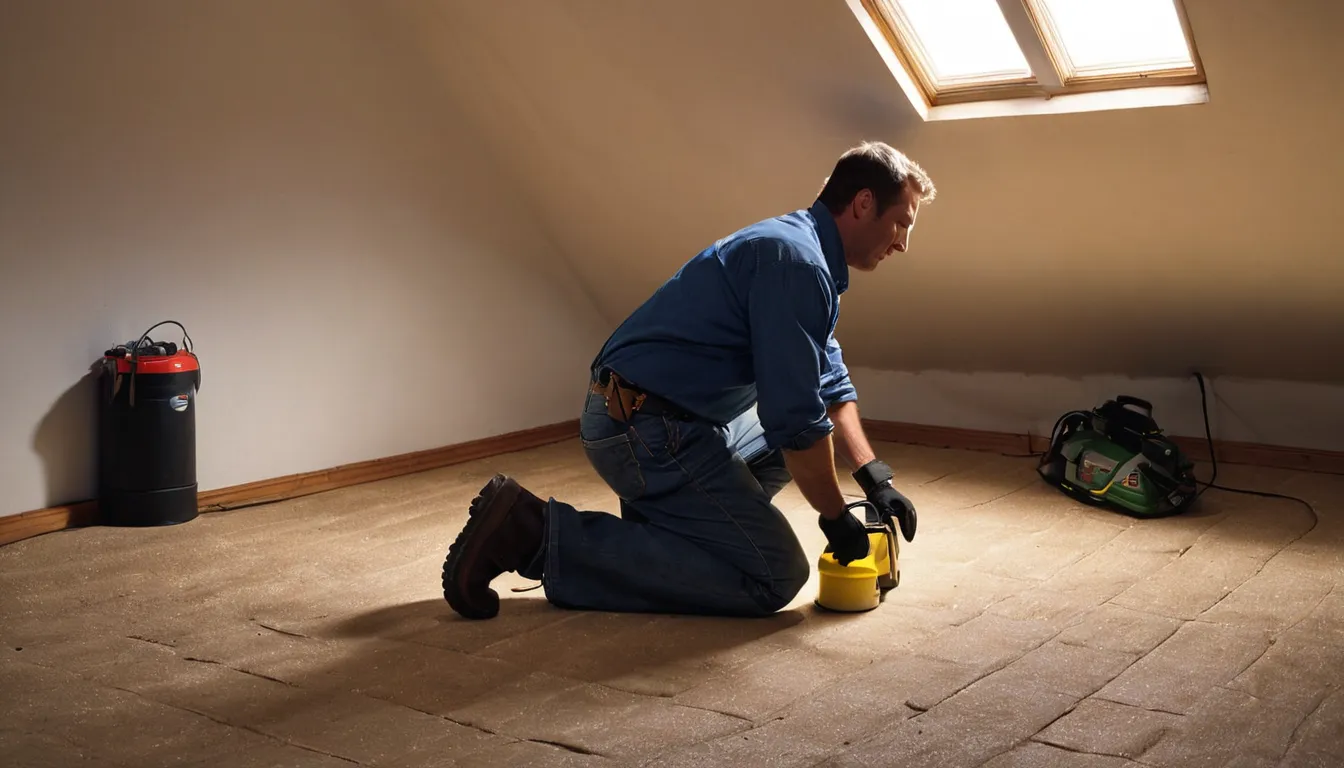
Say you hear something running across the ceiling at night. By morning, it is quiet. A few days later, you find a chewed corner on a bag in the pantry. Small signs like these often mean a mouse, a rat, or a larger animal has found a way in.
Exactconsidered Pest Control is a referral service. We do not do the work. We connect homeowners in Lancaster and the Lancaster area with independent providers in our network who handle rodent and wildlife removal. This page explains the early signs, the safe steps you can take yourself, and the jobs that need a provider's tools, training, and knowledge of local rules.
Scratching in the Attic or Walls? Start Here
Say you are lying in bed and hear scratching above the ceiling. It stops. Then it starts again. Is it a mouse, a rat, a squirrel, or something bigger?
Exactconsidered Pest Control is a referral service. We connect homeowners in Lancaster, TX with independent providers in our network. The provider does the inspection, the removal, and the repairs. This page helps you sort out what to do first.
Most Urgent: Act on These First
Some moments should not wait. Say you find an animal inside your living space. Or you smell something burning near a wall where you also hear gnawing. Or you hear tiny cries in the attic.
These situations call for a provider. Keep kids and pets away. Close the door to the room. Then reach out for help.
- An animal inside living areas
- Chewed or exposed wires
- A bat in a bedroom
- Baby animals in the walls or attic
- An animal that seems sick or acts strangely
If anyone was bitten or scratched, speak with a doctor or your local health office.
Why Fast Action Pays Off
Rodents breed quickly. A few mice can turn into a crowd in a single season. Rats and squirrels chew wires, and bad wiring is a fire risk. Insulation gets matted, soiled, and smelly.
Say you ignore a faint noise for a month. Now you have stained ceiling boards and a bigger repair. Many providers can respond quickly, so ask about availability early.
What You Can Safely Do Yourself
You can help while you wait. These steps are low risk.
- Put food in sealed containers, including pet food.
- Take out trash often and keep lids tight.
- Trim branches that touch the roof.
- Move firewood and clutter away from the walls.
- Wear gloves and a mask when you clean small amounts of droppings, and wet them first. Never sweep them dry.
These steps make your home less inviting. They do not remove animals that are already inside.
Where DIY Should Stop
Say you climb into a hot attic with a ladder and a flashlight. You step on a rafter, and a startled raccoon comes out. That is a bad day.
Leave these jobs to a provider:
- Trapping or excluding live wildlife
- Work on steep roofs or in tight crawl spaces
- Anything involving bats, which have legal protections in many places
- Dead animals inside walls
- Poison use, which can hurt pets and kids and can leave smells behind
Early Signs to Look For
Look, then act. Small sign, small fix.
- Droppings near the stove, along walls, or in cabinets
- Greasy rub marks along baseboards
- Gnawed boxes, bags, or wood
- Scratching or thumping at dusk and dawn
- Shredded nesting material
- A musty or sharp odor in a closet or garage
- Pets staring at one spot on the wall
Say you spot only one of these. That is a smart time to call a provider, because the fix is often smaller.
Signs Outside the House
Walk the outside of your home once a month. Look for chewed vent covers, torn soffits, and holes the size of a quarter. Check for burrows near the slab edge. Watch for rub marks on siding and loose roof edges.
Older pier-and-beam houses can have gaps around the crawl space. Brick and vinyl siding can hide small openings at corners.
Common Animals Providers Handle
Providers in our network commonly deal with mice, roof rats, and Norway rats. They also handle squirrels, raccoons, opossums, skunks, and bats. Each animal needs a different plan. A trap that suits a rat is wrong for a raccoon.
Why Weather Matters in Our Area
Hot, humid summers push animals toward cool, shaded spots. A hot attic sounds bad, but a nest under insulation can stay surprisingly comfortable. Heavy downpours and tropical storm season flood burrows and send animals looking for dry shelter. Mild winters mean activity continues most of the year.
How Rodent and Wildlife Removal Works
A provider usually starts with an inspection. They look for the animal, the entry points, and any damage. Then they explain a plan and give a written quote.
Next comes removal. Depending on the animal, this may include traps, one-way doors, or exclusion work. After that, the provider seals openings so the problem does not return. Many also offer a follow-up visit. Ask what is included.
Humane Handling and Local Rules
Rules vary by state and town. Some species are protected. Some can only be moved under certain conditions. Bats may have seasons when they cannot be disturbed because young are present.
A good provider knows these rules and explains them. If a provider skips the topic, ask.
Cleanup and Repairs
Removal is only part of the job. Droppings, urine, and soiled insulation can stay behind. A provider may clean, deodorize, or replace insulation.
Some policies may cover sudden damage, so check your policy. Providers can often help document damage for a claim.
Choosing a Removal Provider
Say you search for an exterminator near me and see a dozen names. Here is what to ask:
- Do you hold the licenses required in my area?
- Will you inspect before quoting?
- Is sealing entry points part of the plan?
- What does the written quote include?
- What happens if the animals return?
Get it in writing. Compare more than one quote if you can.
Keeping Animals Out for Good
The lasting fix is a tight house. Seal gaps with metal mesh or other durable materials, not just foam. Add screens to vents and chimneys. Keep gutters clear and branches trimmed. Walk the outside of your home each season, especially after storms. This kind of residential pest control habit keeps small problems small.
Ready to Talk to a Provider?
Request a callback to check provider availability in Lancaster. Or send a request and describe what you hear or see.
What's Included
Inspection and ID
A provider looks for the animal, entry points, nests, and damage before recommending a plan.
Removal Plan
Traps or one-way doors, chosen to fit the animal and local rules.
Sealing Entry Points
Gaps, vents, and rooflines get closed up to keep animals out.
Cleanup Options
Many providers can handle droppings, odors, and damaged insulation after removal.
Typical Costs for Animal Removal Jobs
Prices vary by animal, home size, and how hard the work is to reach. These are typical U.S. ranges only. Always ask for a written quote before work starts.
| Service | Typical range | Notes |
|---|---|---|
| Inspection | $75 – $250 | Some providers apply it to the job. |
| Mouse or rat control | $200 – $800 | Often includes follow-up visits. |
| Squirrel or raccoon removal | $250 – $900 | Depends on trapping and den access. |
| Bat exclusion | $500 – $3,500 | Timing rules may apply. |
| Sealing entry points | $300 – $2,500 | Larger or higher roofs cost more. |
| Attic cleanup and insulation | $1,000 – $7,000 | Depends on attic size and damage. |
How It Works
Describe what happened
Tell us what you heard or saw, and where in the home it happened.
Get matched with a provider
Request a callback to check provider availability for your address.
Review the written quote
Ask what is covered, including sealing and cleanup.
Provider removes and seals
The provider handles removal, closes entry points, and explains next steps.
Why Call Exactconsidered Pest Control
Honest, simple referrals
We connect you with independent providers. They do the work, not us.
DIY or pro
Know which steps are safe at home and which jobs need professional tools.
Early signs
Spot small clues and act before wires, insulation, and ceilings are damaged.
Local fit
Tips shaped around hot attics, humid summers, and storm season in our area.
Other Services
Need rodent and wildlife removal in Lancaster?
Seeing bugs, hearing noises, or finding damage? Send a request, or Request a callback to check provider availability in Lancaster, TX.
No obligationRodent and Wildlife Removal FAQ
How do I know if I have mice, rats, or squirrels?
Timing and sound help. Squirrels are loud during the day. Mice and rats are more active at night. Droppings size, gnaw marks, and entry holes also help. A provider can confirm the animal during an inspection.
Can I just set traps or use poison myself?
Traps for a few mice in a garage are fine for many homeowners. Poison is risky for pets, kids, and other wildlife, and animals can die inside walls. For attics, live wildlife, or bats, hire a provider.
Does homeowners insurance cover rodent or wildlife damage?
It depends on your policy. Some policies may cover sudden damage, but many exclude damage from pests over time. Check your policy or ask your agent. Providers can often help document damage for a claim.
Reach a local provider
Seeing bugs, hearing noises, or finding damage? Send a request, or Request a callback to check provider availability in Lancaster, TX.
No obligation